
Hi Bookish Friends! 📚😬
In every YA thriller, there comes a moment when the main character has information that should absolutely be shared with an adult.
A threat.
A clue.
A body.
A message written in something that is hopefully not blood.
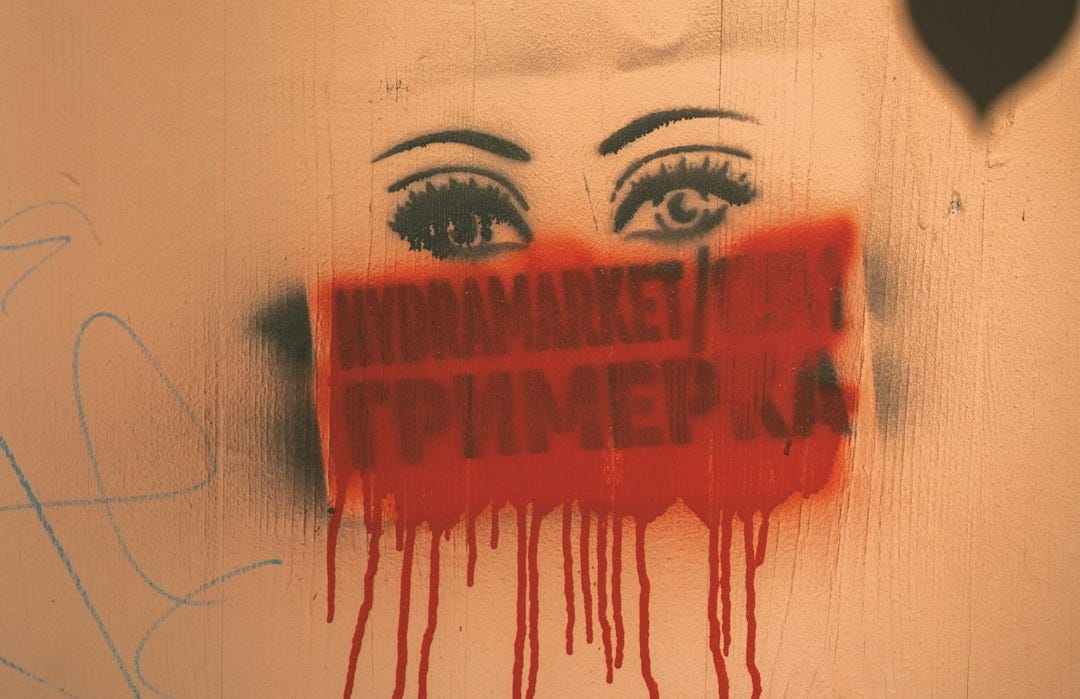
And every time, I find myself whispering:
Tell someone.
Please.
I am begging you.
Tell literally one responsible person with a working phone and access to a car.
But then I remember something.
In a lot of these stories, the adults don’t listen.
Or they listen too late.
Or they are suspiciously involved.
Which brings us to today’s question:
Would you tell an adult?
Here’s the setup:
Your friend has gone missing.
Before they disappeared, they sent you one message:
Don’t trust anyone.
Helpful? No.
Dramatic? Very.
Now you have three clues:
A photo you don’t remember taking.
A deleted message that somehow came back.
A name your friend circled in an old yearbook.
You could go to an adult.
But which adult?
A teacher?
A parent?
The police?
The school counselor?
The one neighbor who always watches everything from behind the curtain?
So… what do you do?
A) Tell the first adult you see and hope for the best.
B) Gather more evidence before saying anything.
C) Tell one trusted adult, but keep copies of everything.
D) Tell no one because you are now the detective, apparently.
Kim’s Very Scientific Thriller Verdict
If you picked A, your heart is in the right place. Your survival odds depend on whether this adult has common sense.
If you picked B, I understand the instinct. I also worry you are about to find clue number four in a very unsafe location.
If you picked C, excellent. Evidence, backup, and a trusted adult? You may make it to the sequel.
If you picked D, please step away from the corkboard and red string.
Why I Love This Kind of Setup
This is where YA thrillers can get painfully real.
The mystery might be fictional.
The missing friend, the creepy app, the ghost, the secret club — all of that might be invented.
But the fear underneath it?
That’s real.
The fear of not being believed.
The fear of making things worse.
The fear of betraying someone’s trust.
The fear that the person who should help you won’t.
That’s why these stories matter to me.
They give readers a way to practice brave questions before they need them in real life.
Because, to be honest, how many teens do you think would tell an adult or a trusted adult? I know I wouldn’t have when I was a teen. The fear of getting in trouble was so real for me at that age. It meant the end of the world when I was 16 to get caught or tell on a friend.
What about you? Was that the same for you?
The Real-Life Part
This is also part of what I love about The Brave Bookshelf.
Books can start conversations that feel too hard to begin out of nowhere.
A character can say, “I was scared to tell someone.”
And suddenly, a kid, teen, parent, teacher, librarian, or counselor has a door into that conversation.
Not a lecture.
Not an interrogation.
Just a story.
And sometimes stories make the scary thing a little easier to name.
So now I want to know:
Would you tell an adult?
Reply with A, B, C, or D.
And if your answer is, “It depends on the adult,” congratulations.
You understand YA thrillers and possibly life.
What I’m watching right now
This month, I’m watching House of the Dragon on Max, which means I’m back in my dragon era.
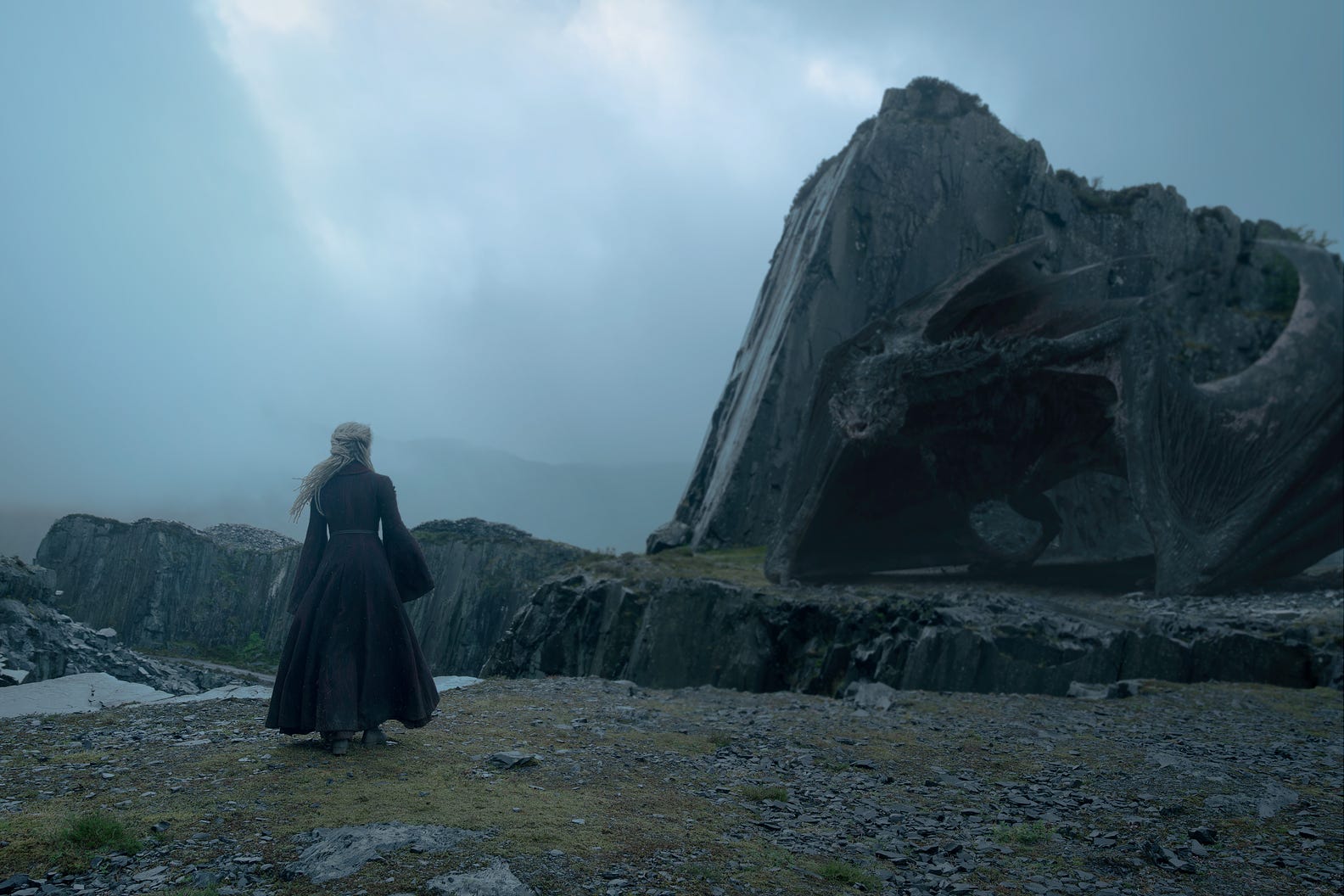
Again.
And apparently, nothing says “relaxing TV time” like family betrayal, political scheming, questionable marriages, and dragons casually solving problems with fire.
But it also got me thinking about George R. R. Martin’s world and how young so many of the characters are in the books. Daenerys is only thirteen when she marries Khal Drogo. Jon Snow is around fourteen when he goes to the Wall. Arya, Sansa, Bran, Robb — they’re all children or teens being pushed into adult decisions long before they’re ready.
And yes, this is fantasy.
There are dragons.
There are ancient houses.
There are people making terrible choices in very dramatic outfits.
But that part — children being treated like adults — does reflect something real about history.
For a long time, the idea of “being a teenager” the way we understand it now did not really exist. You were a child, and then you were expected to take on adult work, adult responsibilities, adult marriages, or adult consequences much earlier than we would ever accept today.
Which makes me think about how much has changed.
And also why we have to be careful when we say things like, “Well, when I was a teen…”
Because the truth is, teens today are growing up in a world we did not grow up in.
They have social media.
AI.
Group chats.
School shootings.
Online comparison.
A constant audience in their pockets.
And about 4,000 more ways to feel like they’re failing before breakfast.
So maybe we can remember what it felt like to be young.
But we can’t fully know what it feels like to be young right now.
We can only listen.
And maybe stop comparing their dragons to ours.
Warmly,
Kim
P.S. Next time, your phone gets a weird notification. And no, ignoring it will not make it less suspicious.