
Hi Bookish Friends! 📚📱
I would love to believe I’m too smart to play a creepy viral challenge.
I’m an adult.
I write thrillers.
I have seen enough movies to know that when someone says, “It’s just a game,” it is almost never just a game.
And yet…

If everyone online were talking about a challenge that promised instant attention, secret clues, and maybe a little harmless drama?
I might peek.
Not join.
Just peek.
Which, in YA thriller language, means I have already made my first mistake.
So today’s question is:
Would you play the viral challenge?
Here’s the setup:
There’s a new challenge going around.
At first, it seems harmless.
Post a photo.
Answer a question.
Tag three friends.
Share one embarrassing truth.
People at school are obsessed.
The popular kids are doing it.
The quiet kids are watching it.
The teachers are pretending they don’t know about it, which means they definitely know about it.
Then the dares start changing.
They get more personal.
More public.
More cruel.
One dare asks someone to reveal a secret.
Another tells someone to show up somewhere alone.
Then one student refuses to play.
The next morning, everyone sees a video of them crying in the hallway.
No one knows who posted it.
No one knows who runs the challenge.
Then your phone buzzes.
Your dare is ready.
So… what do you do?
A) Play the first round because it’s probably harmless.
B) Watch from the sidelines and refuse to post anything.
C) Screenshot the dare and try to figure out who’s behind it.
D) Tell everyone you’re above it, then secretly check the hashtag every ten minutes.
Kim’s Very Scientific Thriller Verdict
If you picked A, I’m worried about you.
You are fun at parties, yes.
But you are also the person in chapter two saying, “What’s the worst that could happen?”
And then the worst happens.
If you picked B, smart.
You may be bored, but you are alive. Sometimes survival looks like staying out of the group chat and eating popcorn from a safe distance.
If you picked C, excellent thriller instincts.
Screenshots are your friend. So is suspicion. So is asking, “Why does this anonymous account know everyone’s business?”
If you picked D, relatable.
Not safe. Not wise. But very relatable.
Some of us don’t want drama.
We just want to know about the drama.
There is a difference.
Mostly.
What I’m Reading
This week, I went on vacation and finished reading Dreamweaving by O.O. Sangoyomi, and it had me thinking about how fast teen drama can spread when everyone has a phone, a camera, and a front-row seat. But in Dreamweaving, it can also spread in dreams. Of course, this is a fantasy dark academia novel, so phones and electronic devices are not as important when you can do magic, right?
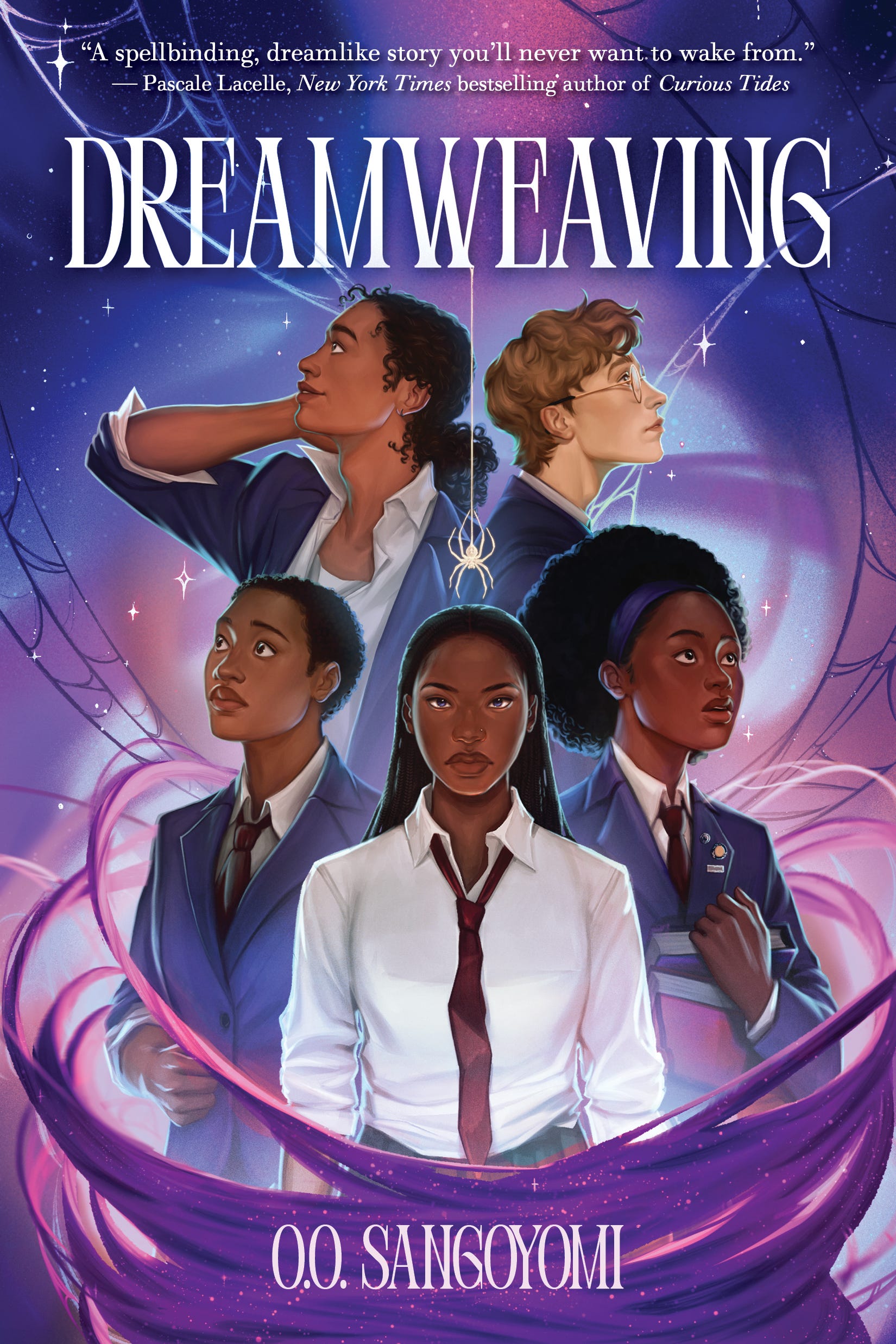
I liked this one and gave it 4.5 / 5 stars. If you’d like to know more about my thoughts on this book and grab yourself a copy, check out my review:

But unlike Dreamweaving, we don’t have magic. Our magic is in our technology. We often seek acceptance on social media and, in some cases, through viral challenges.
Because viral challenges can look silly at first.
A dance.
A dare.
A joke.
A trend everyone wants to be part of.
But the scary part isn’t always the challenge itself.
Sometimes it’s the pressure.
The fear of being left out.
The fear of being exposed.
The fear of saying no when everyone else is watching.
And that is exactly the kind of pressure YA thrillers love to poke with a very sharp stick.
Why I Love This Kind of Setup
Viral challenge stories are creepy because they turn attention into danger.
In a haunted house, at least you know the house is suspicious.
With a viral trend, the threat can look fun.
It has music.
Filters.
Comments.
Likes.
People laughing like nothing bad could ever happen.
Until someone gets hurt.
Until a secret comes out.
Until the challenge asks for something no one should have to give.
That’s what pulls me into these stories.
They ask the question:
How far would someone go to be seen?
And what happens when being seen turns into being trapped?
The Brave Conversation
This kind of story opens up a bigger conversation about peer pressure, online safety, humiliation, consent, and how hard it can be for teens to step away when everyone else is watching.
Because saying “just don’t play” sounds easy.
But in school?
Online?
In a friend group?
It can feel much messier.
What if everyone else is doing it?
What if saying no makes you the next target?
What if the dare seems funny until it crosses a line?
That’s why I love books that deal with these messy, scary, very human choices.
They let us ask:
Where is the line between fun and unsafe?
When does a joke stop being a joke?
And who gets hurt when everyone else is chasing attention?
So now I need to know:
What’s your personal line between fun and “absolutely not”?
Reply and tell me what would make you walk away from a viral challenge.
Would you play?
Would you watch?
Would you screenshot everything like the tiny detective you were meant to be?
No essay required.
Unless you have strong opinions about dares, hashtags, or people who say, “Come on, don’t be boring.”
In that case, I would very much like to hear them.
Warmly,
Kim
P.S. Next time, we may be talking about whether you’d open the old diary hidden in the wall. Which is obviously a terrible idea. So naturally, we’re going to discuss it.