
The Brave Bookshelf Dispatch
Books, brave conversations, author news, writer advice, and one internet thing I’m probably overthinking.
Hi Bookish Friends! 📚🪓
I’ve been thinking a lot lately about women, murder, and the stories we tell about both.
Part of that came from watching Netflix’s Monster: The Lizzie Borden Story.
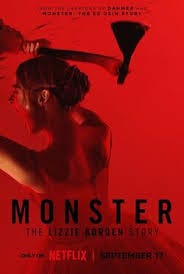
What fascinated me wasn’t just the infamous axe-murder case.
It was the way the series connected Lizzie Borden’s story with Aileen Wuornos — two women separated by nearly a century, very different circumstances, and very different crimes, but whose names both became tangled up with the idea of the “female monster.”
And that sent my thriller-writer brain down a rabbit hole.
Because when a woman commits extreme violence, we seem to ask a different question:
What made her become this way?
Lizzie Borden and the Crime That Wouldn’t Die 🪓
Even if you don’t know the details of the case, you probably know the rhyme:
Lizzie Borden took an axe
And gave her mother forty whacks;
When she saw what she had done,
She gave her father forty-one.
The real story is much more complicated.
In August 1892, Lizzie’s father, Andrew Borden, and her stepmother, Abby, were brutally killed inside their Fall River, Massachusetts, home.
Lizzie was eventually charged with both murders.
The case became a sensation.


Part of the fascination was the violence of the crime itself.
Part of it was Lizzie.
She came from a respectable, financially comfortable New England family. She attended church. She did not fit the image many people at the time had of someone capable of committing such a vicious crime.
There were also tensions inside the Borden household.
Andrew was wealthy but famously frugal. Lizzie and her sister Emma reportedly wanted a lifestyle more in keeping with some of Fall River’s wealthier families.
Money and property caused friction as well. Andrew transferred property to a relative on Abby’s side of the family, and that apparently contributed to tension between the daughters, their father, and their stepmother.
But whether money had anything to do with the murders remains a theory.
And then came the trial.
Lizzie was acquitted in 1893.
The jury was entirely male — women in Massachusetts were not serving on juries at the time — and historians have long discussed how nineteenth-century ideas about femininity may have influenced perceptions of her.
Could a respectable woman really commit this kind of violence?
But that wasn’t the only problem for prosecutors.
The case also involved weak forensic methods by modern standards, disputed evidence, conflicting testimony, and important evidence that was excluded from trial.
So more than 130 years later, we still have the question:
Did Lizzie Borden do it?
And that unanswered question may be exactly why we’re still talking about her.
Then There’s Aileen Wuornos
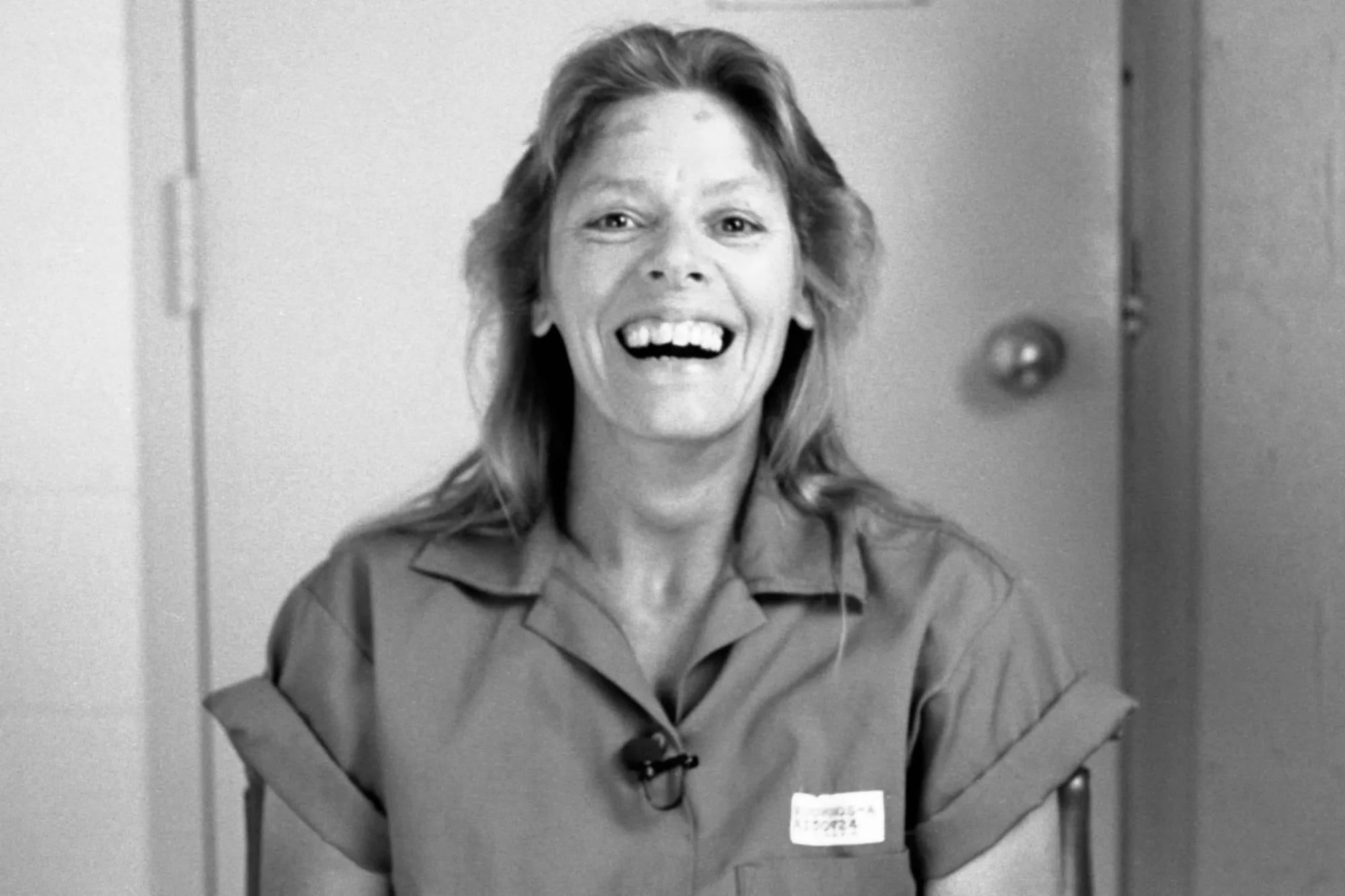
Aileen Wuornos’s story is very different.
Wuornos was a sex worker who killed several men in Florida between 1989 and 1990.
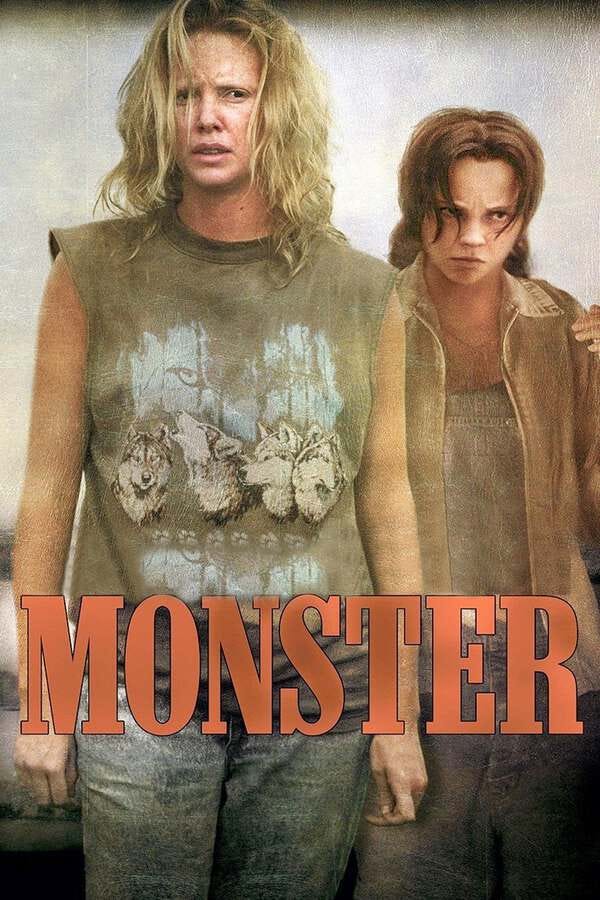
She said at various times that she had acted in self-defense after being attacked or sexually assaulted by customers. Prosecutors disputed her accounts, and she was convicted of murder and eventually executed in 2002.
Her life before the murders was filled with instability, abuse, abandonment, homelessness, and violence.
That history does not erase what she did.
But it does raise an uncomfortable question that crime stories often ask:
How much does a person’s environment matter when we try to understand violence?
Understanding something isn’t the same thing as excusing it.
And I think that distinction is where some of the most interesting thriller and horror stories live.
Why Are We So Fascinated by Female Rage?
There’s been a lot more discussion lately around what people call female-rage fiction.
It isn’t really new.
Women have been writing angry, frightened, violent, rebellious women for a very long time.
But contemporary YA, horror, and thrillers seem increasingly willing to let girls and women be furious.
Not politely angry.
Not adorably sarcastic.
Furious.
At men who hurt them.
At systems that failed them.
At families that silenced them.
At expectations about what a “good girl” is supposed to tolerate.
And sometimes, in fiction, that anger becomes monstrous.
Which is where things get interesting.
Because the monster isn’t always the girl with blood on her hands.
Sometimes the story asks us to look at everything that happened before she picked up the weapon.
5 Books for Readers Who Like Female-Rage Stories 🔥📚
1. Wake the Wild Creatures by Nova Ren Suma
A natural fit for this conversation, especially if you like stories about girls, anger, danger, and the wild places society would rather keep contained.
2. The Female of the Species by Mindy McGinnis
One of the YA books I immediately think of when talking about female rage, violence, justice, and what happens when someone stops trusting the system to protect people.
3. The Weight of Blood by Tiffany D. Jackson
A YA horror novel inspired by Carrie that tackles racism, cruelty, bullying, and what happens when years of humiliation finally explode.
4. The Grace Year by Kim Liggett
Girls are sent away because society fears their supposed power. The result is brutal, unsettling, and full of questions about misogyny, survival, and the ways women are encouraged to turn against one another.
5. The Invocations by Krystal Sutherland
Witches, murdered women, female friendship, revenge, and girls realizing that something much larger is happening around them. Dark, angry, and wonderfully creepy.
What I like about books like these is that they don’t necessarily ask us to approve of everything their characters do.
They ask us to look closer.
Some notable books you may want to consider are “The Handmaid’s Tale” by Margaret Atwood and “The Housemaid” by Freida McFadden. These hit female rage but also many other issues of trauma, abuse, gaslighting, women’s rights, and political tension.
The Brave Conversation 💛
That may be the conversation I find most interesting.
When we read about a violent woman, do we judge her differently than we judge a violent man?
How much do we want an explanation?
Does learning about trauma change how we understand someone without changing how we feel about what they did?
And why are readers so drawn right now to stories about women who stop being nice?
Those are messy questions.
Which probably explains why I like them.
Thriller writers live for messy questions.
What I’m Reading: The Antique Picker’s Daughter 📚
Last week, I finished reading The Antique Picker’s Daughter by Melanie Dugan.
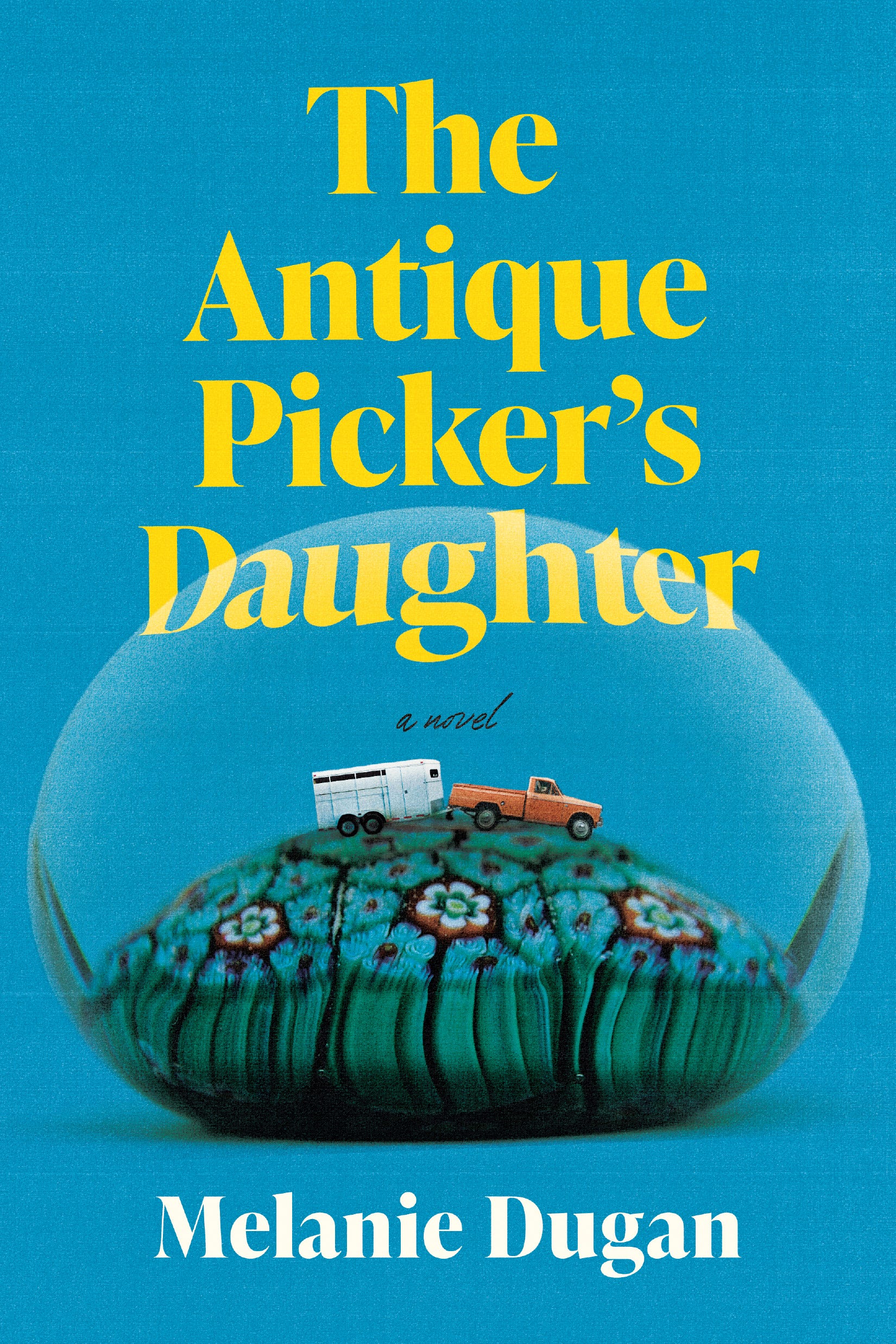
I give this one 3.5 stars mainly because I think the main character Frankie, was so detached from what was happening to her, and I wanted more emotion and distress. Regardless, it did keep me hooked to the end.
This one does go into some difficult territory, including trafficking, young people who run away, vulnerability, and the dangers facing people who can disappear without enough of the world noticing.
Abandoned first by her father, and then by her mother, Frankie has been left in the care of her deeply religious grandmother. When her grandmother’s religious convictions tip into delusion, Frankie decides to run away.
Life on the street in Toronto is hard, and with winter coming, it gets tougher. This is when Frankie first meets Francis, a man old enough to be her father. He starts training her in “the game,” as she comes to call it; buying, stealing, and reselling “inventory” at inflated prices. Through winter, spring, and early summer, the two become a team, traveling around small towns and villages in southern Ontario.
As Frankie discovers, life on the road holds dangers she can’t anticipate, and her precarious world tips into disaster when Francis abandons her in an unfamiliar town. Betrayed, alone, and deserted, Frankie realizes she’s in a dangerous situation — will she be able to find her way out on her own?
What interests me about this story is the idea of the people we overlook.
Who notices when someone disappears?
Who goes looking?
And what happens when the person everyone dismisses is connected to something much bigger?
I’ll have more to say in my full review. Check it out and get the book:
You can read it here:

Content notes: trafficking, runaways, physical abuse, sexual exploitation, and rough language.
Now I Want to Hear From You
Do female-rage stories appeal to you?
And when you read about a woman who does something terrible, what interests you more:
What she did… or what happened before she did it?
Hit reply and tell me.
I have a feeling this one might start an interesting conversation.
Warmly,
Kim
P.S. I’m also curious: Lizzie Borden — guilty, innocent, or permanently filed under “we are never going to know”?