
The Brave Bookshelf Dispatch
Books, brave conversations, author news, writer advice, and one internet thing I’m probably overthinking.
Hi Bookish Friends! 📚🚗
Every once in a while, I come across a true-crime story that makes my thriller-writer brain stop and think:
If this were fiction, would readers believe it?
That’s exactly what happened with the case of Mackenzie Shirilla.
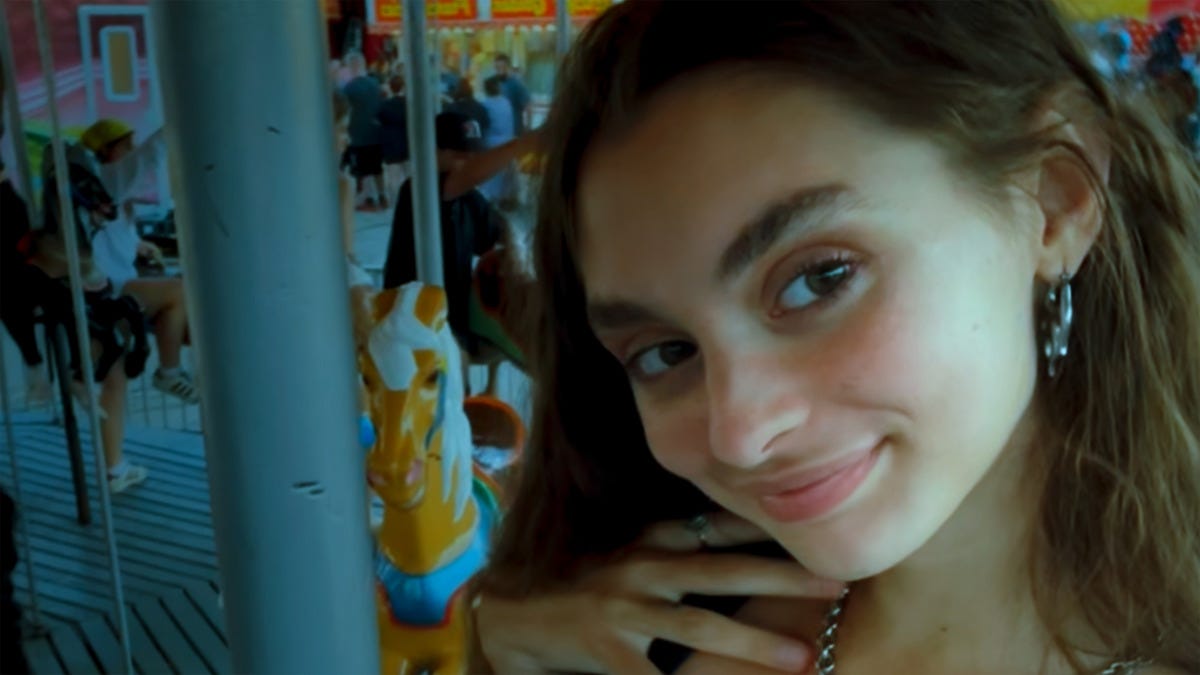
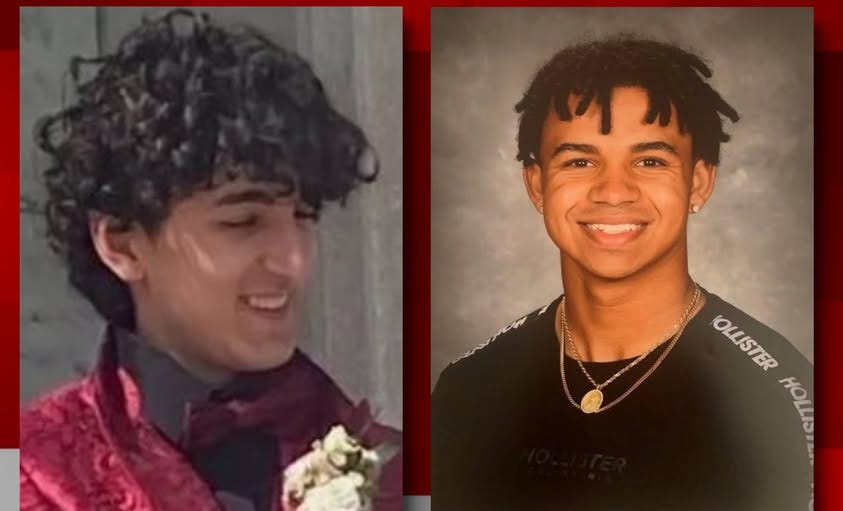
Before I go any further, though, I want to acknowledge the two young men whose lives were lost.
Dominic Russo and Davion Flanagan were only 20 and 19 years old when they died. My heart and condolences go out to their families, friends, and everyone who loved them.
I’m discussing this case because it raises interesting questions about evidence, perception, unreliable narration, and the way true events can resemble the structure of a thriller. I am not sharing it to sensationalize what happened, minimize their deaths, or turn their tragedy into entertainment.
Two young men lost their lives, and that should remain at the center of the real story.
Content note: this newsletter discusses murder, a fatal car crash, toxic relationships, and the deaths of two young people.
The Case That Feels Like a Thriller Setup
On July 31, 2022, seventeen-year-old Mackenzie Shirilla was driving a Toyota Camry in Strongsville, Ohio, with her boyfriend, Dominic Russo, and his friend Davion Flanagan inside.
The car reached nearly 100 mph before crashing into a commercial brick building.
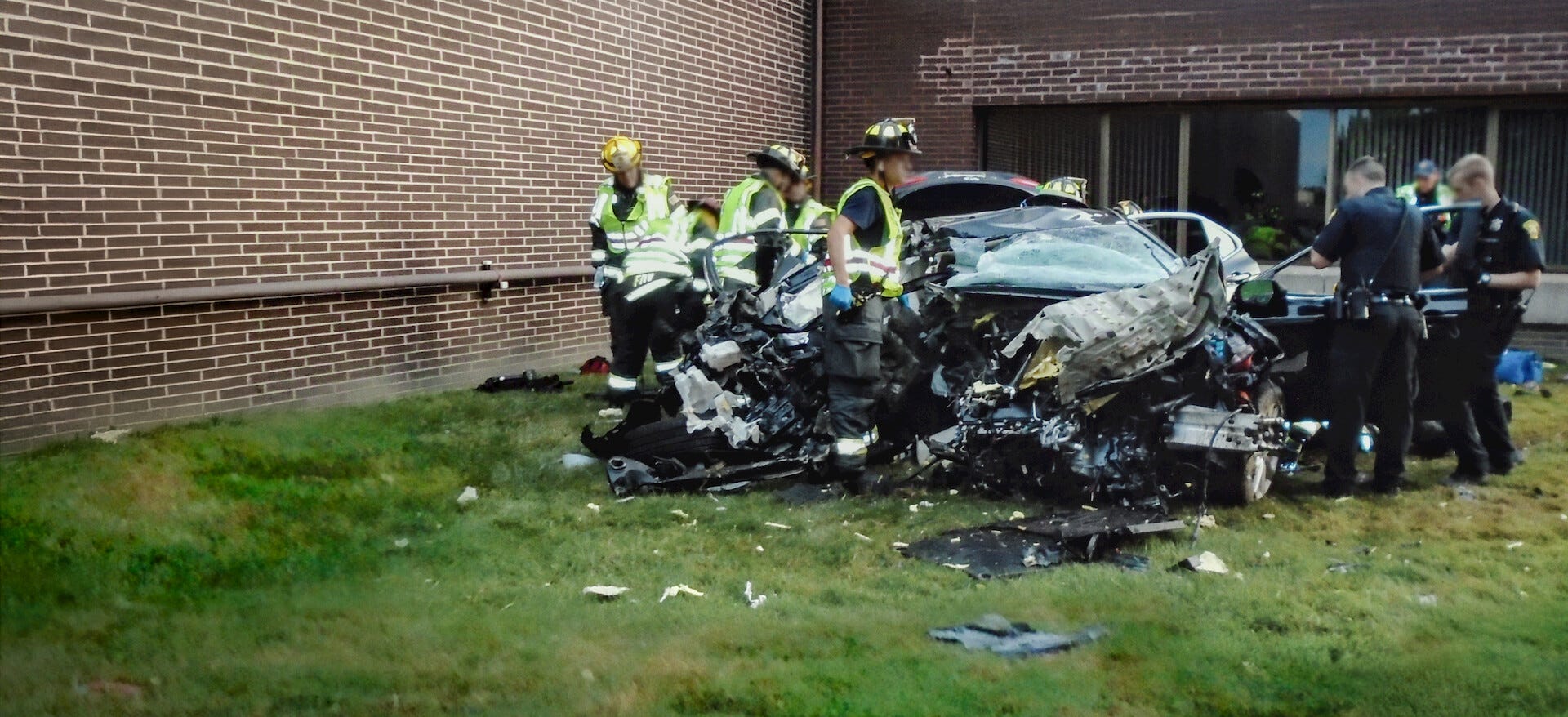
Russo and Flanagan were killed. Mackenzie Shirilla survived.
What made the case especially striking was the evidence prosecutors later presented.
According to reporting, the Netflix documentary “The Crash,” and the sources I’ve been reading, data from the car showed the accelerator had been fully engaged for several seconds before impact, with no braking beforehand. It also showed that someone had tried to put the car in neutral and that the emergency brake had been engaged.
Prosecutors argued that the crash was intentional.
They also presented evidence of tension between Shirilla and Russo, including an earlier threat she allegedly made during an argument about crashing a car with him inside.
The defense argued something very different.
Shirilla’s attorneys said the crash was accidental and raised the possibility of a medical blackout related to POTS.
The judge rejected that explanation.
In 2023, after a bench trial, Shirilla was convicted on multiple counts, including murder, and sentenced to 15 years to life in prison.
And that is where my writer brain kicked in.
Because if you turned this basic setup into a fictional thriller?
You would have one fascinating unreliable narrator.
Writer Aha: What If the Main Character Says It Was an Accident?
Imagine opening a novel with a teenage girl waking up after a catastrophic crash.
Two people are dead.
She survived.
She insists she doesn’t remember what happened.
Maybe she says she blacked out.
Maybe she says the car malfunctioned.
Maybe she says she loved the person sitting beside her.
And maybe she believes every word she is saying.
But then the evidence starts arriving.
A surveillance video.
A text message.
A threat from three weeks earlier.
Car data showing no attempt to brake.
A location she may have visited before.
Now the reader has a problem.
Do we believe her?
That’s the kind of tension unreliable narrators are built for.
Why Unreliable Narrators Work So Well in Thrillers
An unreliable narrator does not necessarily have to be lying to the reader.
Sometimes they are lying to themselves.
Sometimes they remember events incorrectly.
Sometimes trauma changes what they can recall.
Sometimes they deliberately leave information out.
And sometimes the reader realizes that the version of events they’ve been given from page one simply cannot be true.
That’s where the fun starts.
For thriller writers, the question becomes:
How long can I let readers live inside one version of the truth before I show them the cracks?
A character might say:
I never meant to hurt him.
But the evidence says:
She made a threat.
She knew the location.
She accelerated.
She never hit the brakes.
Now the reader has to decide whether those pieces prove intent—or whether there is still another explanation hiding underneath them.
That gap between story and evidence creates suspense.
The Netflix Documentary Adds Another Layer
The Netflix documentary The Crash adds another interesting piece to that question of perception.
According to the documentary, viewers see Shirilla crying and receiving support from Dominic Russo’s parents during the aftermath.
That image complicates the story emotionally.
If you were reading this in a novel, that might be the moment designed to make you question everything.
She looks devastated.
People close to the victim appear to support her.
So maybe it really was an accident.
Right?
Then the investigation begins to tell a different story.
That is exactly the sort of contradiction thriller writers use to keep readers off balance.
The emotional evidence says one thing.
The physical evidence says another.
And suddenly the reader no longer knows which version of the character to trust.
A Thriller Writer’s Toolbox: Building an Unreliable Character ✍️
If I were taking inspiration from a setup like this for fiction, these are the questions I’d play with:
What does the character genuinely remember?
Maybe there are missing pieces rather than outright lies.
What does the character want everyone else to believe?
The police? Parents? Friends? The reader?
What evidence contradicts their version?
Texts, videos, timestamps, GPS data, witnesses, search history.
What emotional detail makes us want to believe them anyway?
Grief. Fear. Love. Regret. Trauma.
What secret are they protecting?
And is it the same secret the reader thinks they’re protecting?
That last one is especially fun.
Maybe the character is lying.
But not about the murder.
That gives you another layer of mystery.
The Brave Conversation 💛
True crime can make us want neat answers.
Villain.
Victim.
Motive.
Proof.
Case closed.
Real life is often messier than that.
And fiction lets us explore that messiness without pretending we know what someone was thinking in a real-life case.
That distinction matters.
We can look at the evidence in a real case.
We can look at what prosecutors argued.
We can look at what the defense argued.
But once we start talking about inner thoughts, hidden motives, or what someone “really felt,” we’re stepping into speculation.
That’s where fiction becomes useful.
A novelist can take the type of dilemma and build an entirely new character around it.
What happens when everyone believes you’re innocent?
What happens when the evidence starts proving otherwise?
And what if the person you’ve been lying to most is yourself?
That is a thriller I would read.
What I’m Reading 📚🌲
This week, I’m reading Where the Bones Took Root by Juniper Klein as part of a book tour with Toppling Stacks Tours.

About the book:
In Where the Bones Took Root by Juniper Klein, Jayde has failed four times to resurrect Soleste, the girl she loved, using forbidden magic. Convinced she needs the life of Soleste’s murderer, she agrees to help an alchemist’s son named Barrick infiltrate a secretive alchemy cult. Bound together by a magical oath, they uncover secrets that challenge everything Jayde believes about Soleste’s death. As her feelings for Barrick grow, Jayde must decide how far she will go to reclaim the past—and what she is willing to sacrifice.
What pulled me in:
⭐⭐⭐⭐⭐ — I couldn’t put Where the Bones Took Root down, thanks to its forbidden magic, tangled secrets, and compelling characters. Jayde’s grief and willingness to use blood magic make her a complicated heroine I loved following. Her slow-burn, enemies-to-lovers romance with Barrick hooked me with its embarrassed reactions and accidental touches—tiny moments, big tension! I also enjoyed the banter between Barrick and his brother, the suspicious supporting characters, and the mysterious cult. The magical world, especially the idea of magic as borrowing or stealing from the earth, brought everything together for a five-star read.
You can read my full review and get the book here:

Thank you to the author/publisher and Toppling Stacks Tours for including me on the tour.
Now I Want to Hear From You
When you read an unreliable narrator, what makes you suspicious first?
Is it:
A) Something they conveniently “don’t remember”
B) Evidence that contradicts them
C) Another character calling them out
D) That little reader instinct that says, “Nope. Something is off.”
Hit reply and tell me.
Because personally?
The minute a narrator says:
“You have to believe me.”
I immediately do not.
Warmly,
Kim
P.S. Have you watched The Crash? Did the documentary make you think differently about how evidence and emotion can tell two very different stories?