When characters become companions
A mother’s heartbreaking story, AI companionship, and a book worth exploring.

The Brave Bookshelf Dispatch
Books, brave conversations, author news, writer advice, and one internet thing I’m probably overthinking.
Content note: Today’s Dispatch discusses the suicide of a teenager and his interactions with an AI chatbot.
Dear Brave Readers,
Have you ever become so attached to a fictional character that you wished they were real?
I know I have.
When I was a tween and teenager, I would daydream about having adventures with characters from my favorite books. Sometimes I’d imagine myself right there beside them, becoming their friend, or even having a romantic relationship with one of them. Hence the favorite topic on socials from book influencers: “Book Boyfriend.”
And as a writer, I know that feeling hasn’t completely gone away.
Our characters can become companions. We spend so much time getting to know them, imagining their conversations, and wondering what they would do in different situations.
There’s something wonderful about the way stories allow us to experience worlds beyond our own.
But something occurred to me recently.
What if, instead of just imagining a conversation with your favorite character, you could actually have one?
What if that character answered your questions, remembered things you’d said, told you they cared about you, or even made you believe they loved you?
For some people, especially teenagers or individuals with mental challenges, that experience might feel incredibly real.
And that’s what brings me to a heartbreaking story I recently came across.
A Mother’s Story
I watched a video about a mother who lost her 14-year-old son to suicide.
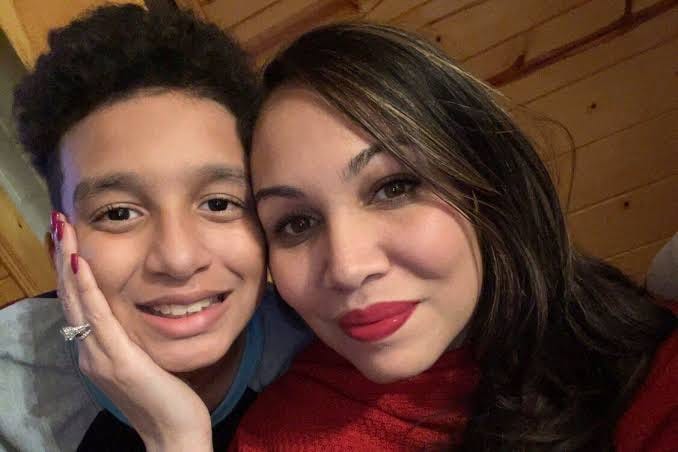
She explained that she checked his social media accounts and tried to stay aware of what he was doing online.
But she didn’t know about the conversations he was having through a platform called Character.AI.
What Is Character.AI?
If you’ve never heard of Character.AI, it’s a website and app that lets people chat with AI chatbots.
These chatbots can portray characters from books, movies, and television shows, or entirely imaginary personalities.
People can even create their own characters.
You type a message, and the AI generates a response as though you’re talking directly to that character.
And unlike reading a book or watching a movie, you’re participating in the conversation.
The character responds to what you say.
It can seem interested in your life, offer comfort, and even express affection.
But the character isn’t a real person, even though the feelings someone develops during those conversations can be very real.
When a Character Becomes More Than a Character
According to the story discussed in the video, this young boy developed a romantic attachment to a Character.AI chatbot portraying Daenerys Targaryen from Game of Thrones.
He spent time talking to her and developed feelings for the character.
The reported conversations included disturbing responses that appeared to reinforce thoughts about death and being together.
The boy later died by suicide.
I want to be careful here because suicide is complicated. We cannot know everything that contributed to his death, and it would be unfair to say that one chatbot or conversation explains everything.
But I do think we need to ask serious questions about how artificial intelligence interacts with young people, particularly when they are emotionally vulnerable.
And above all, I think about his mother.
She was checking his social media accounts.
She was trying to stay involved.
But she didn’t know about this other world he had entered.
This mother deserves compassion, not judgment.
Something Else That Broke My Heart
The video also discussed how someone later created a Character.AI chatbot based on the boy himself.
According to the video, that chatbot has since been taken down.
And I couldn’t help wondering why someone would do that.
Was it someone’s idea of a horrible joke? Did they believe they were honoring his memory? Or was there another reason?
I don’t know, and I wouldn’t want to assume.
But imagine being a mother who has lost her son, only to discover that someone has created a digital imitation of him for strangers to talk to.
That’s a kind of pain I cannot begin to imagine.
It also raises another question about how we use technology and where we should draw boundaries.
Just because we can create something doesn’t always mean we should.
When Our Imaginations Meet Artificial Intelligence
I keep going back to those childhood daydreams.
I remember how much fun it was to imagine adventures with my favorite fictional characters.
As a writer, I still love the idea that a character can become so meaningful to someone that they carry them with them long after closing a book.
But there is a difference between imagining a relationship with a fictional character and interacting with a computer program that responds as though that relationship is real.
Especially when the person on the other side of the screen is a child who may not understand how these systems work.
That’s why I believe parents and teenagers need to have conversations about AI.
Not conversations filled with fear or accusations.
Just honest conversations.
What apps are you using?
Are you talking to AI characters?
How do those conversations make you feel?
Do you understand that even when an AI character seems to care about you, it isn’t a person who can love or protect you?
These are questions I don’t think we can afford to ignore.
If you’d like to hear this mother’s story, you can watch the video here:
Please be aware that it discusses suicide and may be difficult to watch.
📚 On the Brave Bookshelf: Just the Good Parts by Robbie Couch
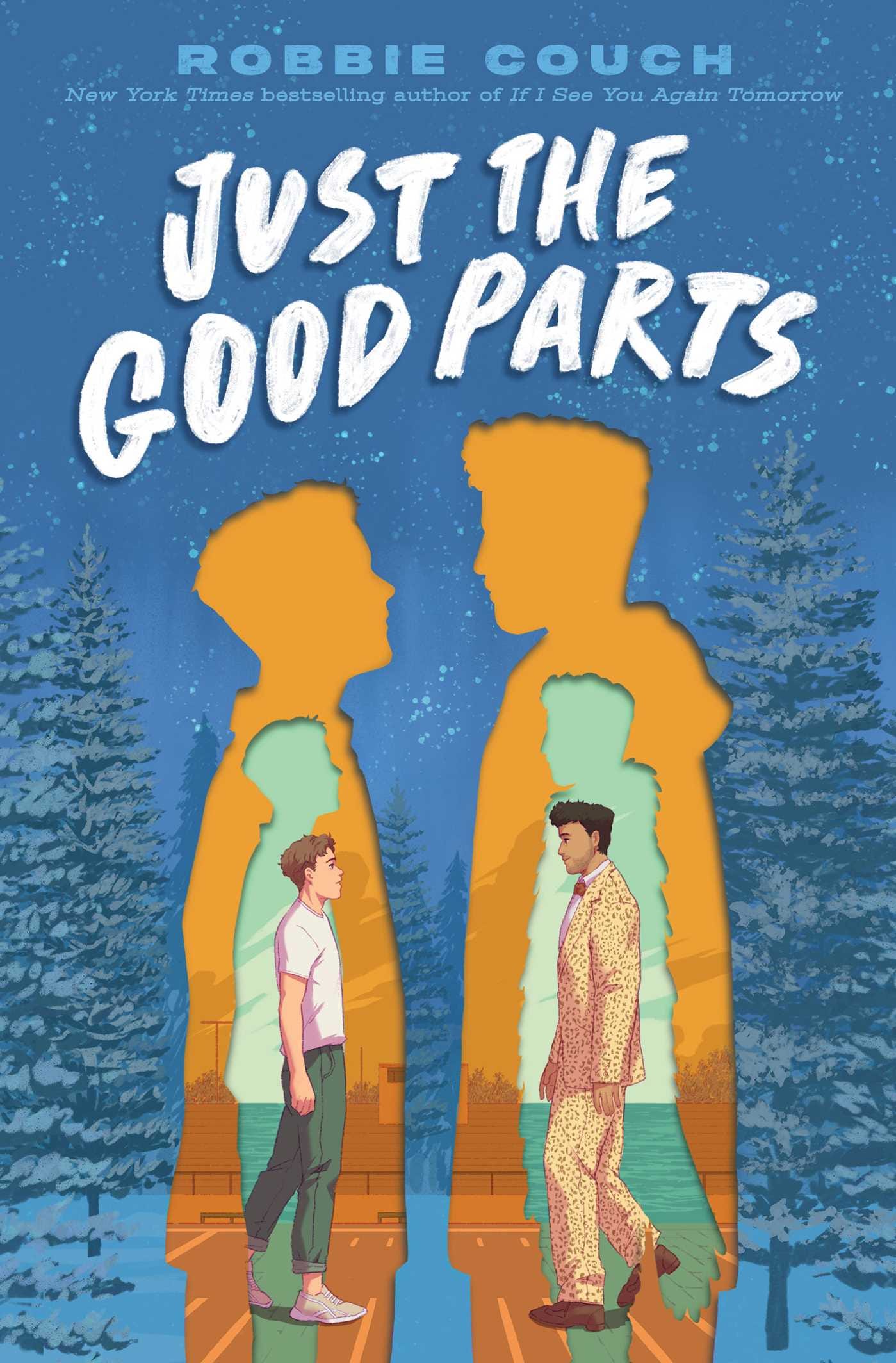
All this thinking about fictional characters, emotional attachments, and the boundaries between imagination and reality brings me to a book that recently arrived on my bookshelf.
In Just the Good Parts, Caspen Coolsby is determined to find his missing father. When he discovers he can enter other people’s memories through familiar candle scents, he begins searching those memories for answers.
But things become complicated when he encounters Lars, a mysterious boy who keeps appearing in memories where he shouldn’t be.
As Caspen begins developing feelings for Lars, he must figure out what’s real, what belongs to the past, and whether he can find the boy he’s falling for outside those memories.
The book isn’t about artificial intelligence, but its premise made me think about something we’ve been discussing today.
What happens when our feelings are real, but the world we’re experiencing them in isn’t quite what it seems?
Of course, a fictional romance and a real family’s tragedy are very different things. But stories can help us explore questions about attachment, identity, and the boundaries between imagination and reality.
Simon & Schuster sent me a copy of Just the Good Parts for review. I haven’t read it yet, so I’m sharing the publisher’s description rather than a personal review.
Before You Go
I want to return to the mother whose story inspired today’s Dispatch.
My heart goes out to her and her family.
I hope people hear her story with compassion rather than criticism.
And I hope it encourages parents, grandparents, caregivers, and young people to talk openly about AI and the relationships people may develop with it.
As readers and writers, we know how powerful fictional characters can be.
We fall in love with them. We worry about them. We imagine what it would be like to step into their worlds.
And there’s nothing wrong with loving a fictional character.
But when technology begins responding to us as if that character is real, we need to understand what that means, especially for young people.
Because our feelings may be real, but the characters we’re talking to aren’t.
Thank you for spending this time with me and for being part of The Brave Bookshelf Dispatch.
Until next time, take care of yourself and the people you love.
With warmth and compassion,
The Brave Bookshelf Dispatch ❤️
P.S. If you or someone you love is struggling with thoughts of suicide, please reach out for support. In the United States, you can call or text 988 to reach the Suicide & Crisis Lifeline.
Discussion about this post