
Hi Bookish Friends! 📚🕯️
I have a rule.
If a club has secret meetings, coded messages, and a leader who says things like, “We’re more than friends. We’re family,” I am leaving.
Immediately.
Possibly through a window.
And yet, secret clubs are tempting in books because they always offer something people want.
Belonging.
Protection.
Power.
Answers.
Snacks, if it’s a well-funded secret society.
So today’s question is:
Would you join the secret club?

Here’s the setup:
You’re new at school.
You don’t know where anything is.
You have already walked into the wrong classroom twice.
Then someone slips a note into your locker.
You don’t have to be alone here. Meet us after dark.
That sounds sweet.
Also illegal.
You go anyway because this is a YA thriller and apparently we have learned nothing.
In the library basement, you find five students sitting in a circle.
They know your name.
They know why you transferred.
They know the one thing you hoped no one would ever find out.
Then they offer you a choice:
Join them, and they’ll protect you.
Walk away, and everyone finds out.
So… what do you do?
A) Join because being protected sounds better than being alone.
B) Pretend to join while secretly investigating them.
C) Walk away and risk the fallout.
D) Join, take notes, and become the problem.
Kim’s Very Scientific Thriller Verdict
If you picked A, understandable. Dangerous, but understandable.
If you picked B, strong main character energy. Please hide your notes better than the average fictional teen.
If you picked C, brave. Also stressful. Please find backup immediately.
If you picked D, I am concerned and impressed.
Why I Love This Kind of Setup of Secret Clubs
Secret clubs work in thrillers because they play with something every person understands:
The need to belong.
Especially as a teen.
You want people who get you.
You want a table to sit at.
You want someone to text when the world feels too loud.
But in thrillers, belonging often comes with a price.
A secret.
A favor.
A silence.
A line you promised you’d never cross.
That’s where the story gets interesting.
The Real-Life Part
Books about secret groups, toxic friendships, and social pressure can open up great conversations with teens.
What does a healthy friendship feel like?
What does pressure feel like?
When does loyalty become control?
When does a group stop protecting you and start owning you?
Those are big questions.
And again, because I am me, I prefer to ask them with suspense, bad decisions, and maybe a basement library.
So tell me:
Would you join the secret club?
Reply with A, B, C, or D.
And if your answer is “only if there are snacks,” I understand completely.
What I’m Watching 📺
Right now, I’m thinking a lot about stories that ask what happens when young people are pushed into systems they did not create.
Social systems.
Family systems.
School systems.
Online systems.
The kind where adults say, “Just make good choices,” while ignoring how hard those choices can be.
This week, I’m watching Silo on Apple TV. I’ve never read the book(s), but I’m enjoying this dystopian thriller so much. I’m asking myself what it would be like to be a child or teen growing up underground and never seeing trees, the ocean, a mountain, or feeling grass, sand, or moss under your bare feet. These children and teens never experienced these things and must have different outlooks on life and problems I could never imagine having.
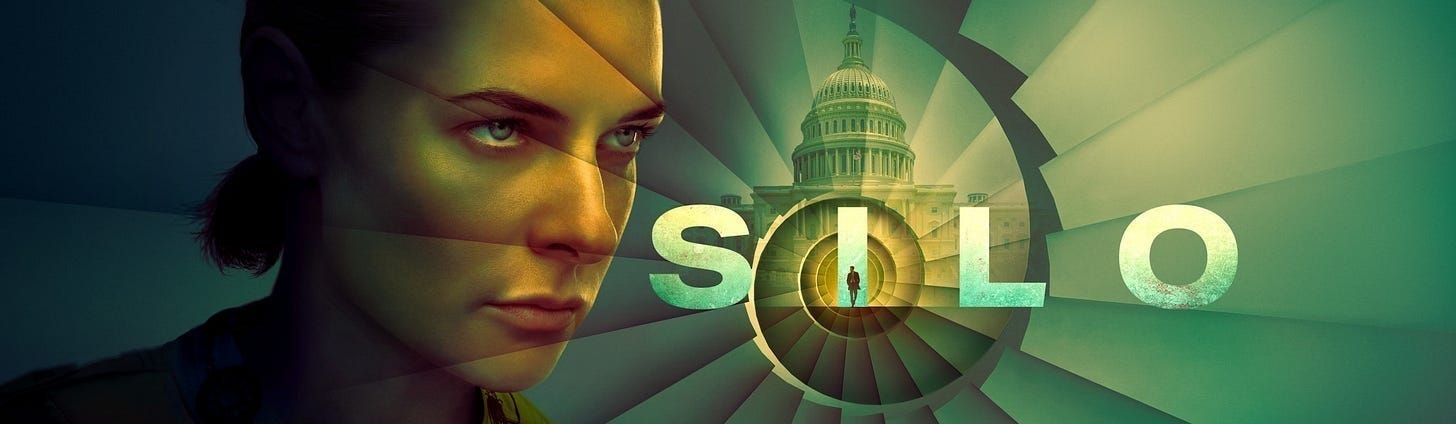
If you haven’t read or seen the series, it’s based on:
The saga of a dystopian society of 10,000 people living underground under mysterious circumstances, while revealing an origin story set centuries earlier. In the present, Juliette Nichols (Rebecca Ferguson) survives her forced “cleaning” but returns with memory loss as the silo recovers from rebellion and faces a dangerous new threat. Meanwhile, in the “Before Times,” journalist Helen Drew (Jessica Henwick) and Congressman Daniel Keene (Ashley Zukerman) uncover a conspiracy that pulls them into a chain of events with catastrophic, irreversible consequences. The series is based on Hugh Howey’s New York Times bestselling trilogy, “Silo.” - Apple TV Press (https://www.apple.com/tv-pr/originals/silo/)
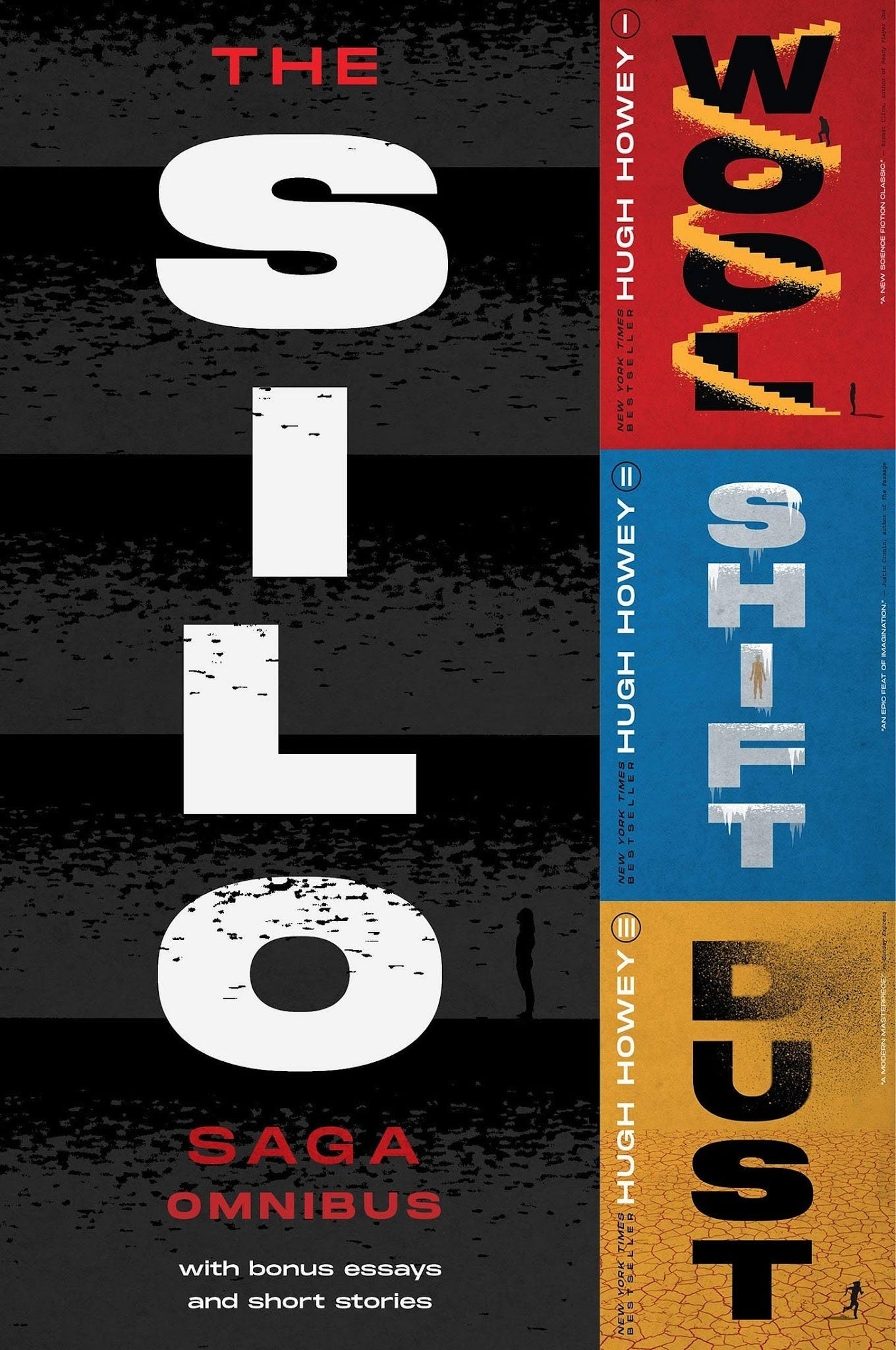
But the bigger question for me is the topic of memory. In Silo, they give people medication so they forget (Vitamin B+), and they program new memories by repeating a story over and over. But the downside of this drug is that they forget who they were and are — their loved ones, their parents, children, why they’re there, EVERYTHING! It must be programmed back into their memories, but these memories are hand-picked by the Silo’s programming or whatever that computer thing is that a select few talk to in the IT room.
Which makes me wonder?
Are my memories my own, or have they been placed there because I heard a story told to me over and over?
Maybe that’s a discussion and another excellent plot for my next book.
What do you think?
Warmly,
Kim
P.S. Next time, we may need to discuss whether you’d survive a school field trip gone terribly wrong because nothing says “educational experience” like suspicious woods.