
Young adult fantasy often explores the idea of extraordinary power appearing in ordinary lives, but I Was a Teenage Death God by M. J. Beasi takes that concept in a darker and more introspective direction. Published by Page Street YA and book tour sponsor Toppling Stacks Tours, this novel blends supernatural elements with deeply personal themes about identity, control, and the emotional weight of hurting the people you love.
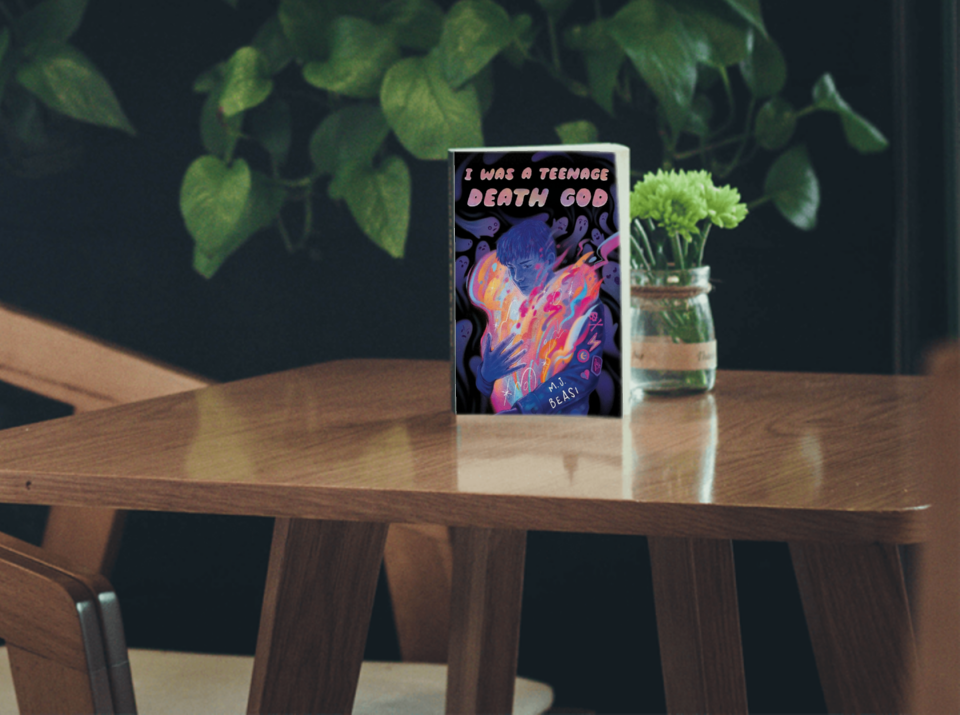
At the center of the story is Charlie, a seventeen-year-old who lives with a terrifying ability: any physical contact with another person drains a piece of their life. For most people, touch is comfort, connection, and reassurance. For Charlie, it’s something dangerous—something that could literally kill someone.
If that burden weren’t enough, Charlie is also under the control of Lou, a ghost who demands that Charlie steal life energy for her survival. Lou maintains control with a chilling threat: if Charlie refuses, she will take life directly from Charlie’s twin sister, Sam.
The result is a tense, emotionally charged story where every choice comes with consequences.
Thank you to the author and publisher for the book and my honest review.
Plot Overview
Charlie has spent years living in fear—fear of their own power and fear of Lou’s manipulation. Lou has essentially trapped Charlie in a cycle of forced survival, using guilt and threats to ensure Charlie keeps draining life from others.
Everything changes when Lou targets Ravi, Charlie’s close friend and secret crush.
Unable to stand by and watch Ravi suffer, Charlie refuses to obey. Lou responds exactly as she promised: she begins draining Sam’s life instead.
As Sam’s health rapidly deteriorates, the stakes become painfully clear. Charlie can’t continue living under Lou’s control—but breaking free might come too late to save their sister.
Ravi soon uncovers a shocking possibility: Charlie might not be the only person born with this strange ability. That discovery leads Charlie, Ravi, and Sam on a desperate weekend road trip to find two mysterious individuals who claim to be “Death Gods.” If the rumors are true, they might hold the answers Charlie needs—not only to save Sam but also to finally understand the true nature of their power.
But the deeper Charlie digs into the truth, the more they realize that Lou’s connection to them may run far deeper—and darker—than they ever imagined.
Characters
Charlie is an emotionally complex protagonist who carries a constant sense of guilt and fear. Their power isolates them from the world in a way that feels both fantastical and painfully relatable. Physical touch—something most people take for granted—becomes a symbol of everything Charlie cannot have.
The story also thoughtfully explores Charlie’s transgender identity, weaving it naturally into their character rather than making it the sole focus of the narrative. Their struggles with self-understanding and belonging mirror the broader themes of identity and humanity present throughout the book.
Sam, Charlie’s twin sister, serves as the emotional heart of the story. Her vulnerability raises the stakes and constantly reminds readers of what Charlie is fighting for.
Ravi adds warmth and emotional grounding to the story. As Charlie’s friend and crush, Ravi brings curiosity, compassion, and determination to the group’s quest. Their dynamic with Charlie provides some of the story’s most tender moments.
Then there’s Lou—the ghost whose manipulative presence looms over the entire novel. She’s a fascinating antagonist because her motivations are layered. While she is undeniably cruel and controlling, the story gradually reveals the complex reasons behind her actions.
Themes and Representation
One of the most compelling aspects of I Was a Teenage Death God is how it blends supernatural elements with deeply personal themes.
The concept of life-draining touch works as both a literal and metaphorical device. Charlie’s power represents isolation, guilt, and the fear of hurting the people closest to you. The story repeatedly asks an important question: if your very existence harms others, can you still consider yourself a good person?
The book also features strong LGBTQ+ representation, particularly through Charlie’s transgender identity. Rather than existing as a separate storyline, Charlie’s identity is simply part of who they are—woven into their relationships, experiences, and emotional journey.
Themes of found family, self-acceptance, and moral ambiguity also play significant roles. Many of the characters are forced to confront uncomfortable truths about themselves and about the nature of power.
What Worked Well
The premise is incredibly compelling. The idea of a teenager who accidentally steals life with a simple touch is immediately intriguing, and the added layer of a manipulative ghost creates a strong sense of tension from the very beginning.
The emotional stakes are also very effective. Charlie’s love for Sam drives much of the narrative, and that sibling bond gives the story real weight.
The road trip element brings an adventurous feel to the middle portion of the book, expanding the world and introducing new perspectives on Charlie’s abilities. It also allows the characters to grow closer and reveal more about themselves.
Representation is another strong point. The story treats LGBTQ+ identities with care and authenticity, allowing characters to exist fully within the fantasy world without reducing them to a single aspect of their identity.
What Didn’t Work as Well
While the premise and themes are strong, the pacing can feel uneven at times. Certain parts of the story move quickly, while others slow down enough that the tension occasionally loses momentum.
Some of the worldbuilding surrounding the “Death Gods” and the origin of Charlie’s abilities could also have been explored in greater depth. The ideas are fascinating, but readers may find themselves wanting a bit more explanation and development.
Additionally, some emotional beats—particularly around Lou’s history and motivations—might have benefited from more time on the page to fully land.
Final Thoughts
I Was a Teenage Death God is a dark, thoughtful YA fantasy that explores identity, power, and the emotional cost of survival. With its unique premise, compelling protagonist, and meaningful LGBTQ+ representation, the book offers a story that feels both supernatural and deeply human.
While some pacing and worldbuilding elements leave room for further development, the novel’s emotional core and complex characters make it a memorable read—especially for fans of character-driven YA fantasy with darker themes.
Readers who enjoy stories about morally complicated powers, found family, and self-discovery will likely find a lot to appreciate in Charlie’s journey.
⭐ Rating: ⭐⭐⭐✨ (3.5/5)
A unique and emotionally layered YA fantasy about dangerous abilities, identity, and the struggle to hold onto your humanity.
About the book:
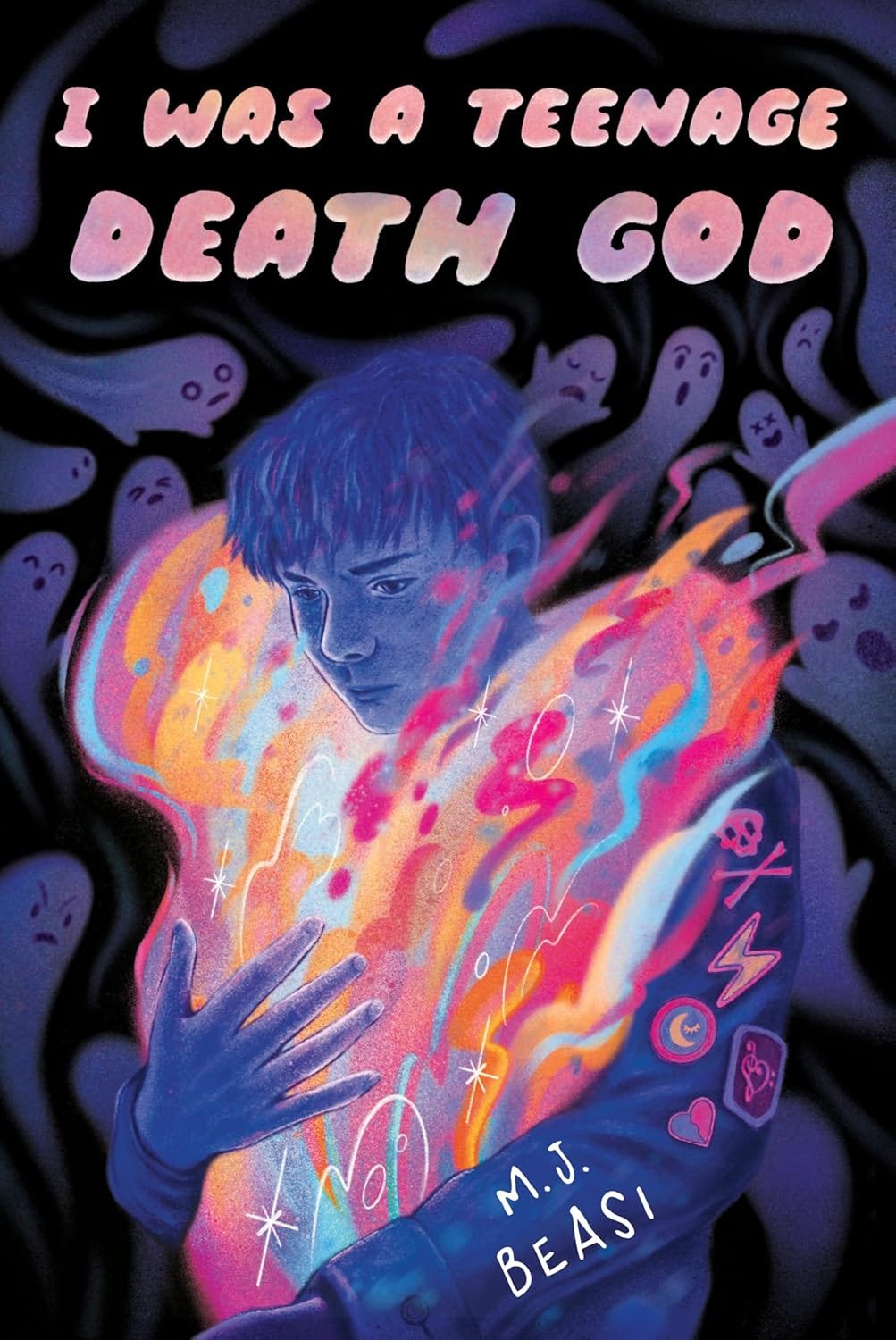
Genre: Young Adult, Fantasy
Publishing date: March 3, 2026
Goodreads | Amazon | Barnes & Noble | IndieBound
Rep: Trans, LGBT+
Synopsis:
Seventeen-year-old Charlie can’t touch anyone without stealing bits of their life away, which would be enough of a curse without Lou—a ghost—forcing them to steal that life for her own use.
Lou has kept Charlie in line for years by threatening to take life directly from their twin sister, Sam. But when Lou goes after their friend and secret crush Ravi, Charlie refuses, and Lou makes good on her threat.
As Sam’s health rapidly declines, Ravi discovers that Charlie may not be the only person born with their unusual power. The trio embark on a weekend road trip to meet a pair of self-proclaimed “Death Gods” who may be the key to saving Sam and understanding Charlie’s abilities . . . . But with all roads leading back to Lou, Charlie is forced to face a dark legacy—one that calls their humanity into question.
Meet the author:

M.J. Beasi is a YA author, songwriter, former singer, voice teacher, and the founder/director of a teen opera workshop in western Massachusetts. Born and raised in Michigan, M.J. moved to Pittsburgh to study vocal performance at Carnegie-Mellon University, then on to New York to make a career in music and theater. On tour, M.J. was known for scouting out each new city as a potential future home, but it was love that finally lured M.J. to New England and a new career blaspheming Handel with a group of brilliant teens. As a librettist/adapter, M.J. has written Il sogno d’Arianna, an English-language narrative adapted from the madrigals of Claudio Monteverdi, an expanded adaptation of Henry Purcell’s Dido and Aeneas, and a queer adaptation of Handel’s Rinaldo. Their own songwriting and vocals are featured on their 2002 album, Dorrie’s True Story. M.J.’s debut novel, I WAS A TEENAGE DEATH GOD, will be released in early 2026 from Page Street Publishing.
When not writing or nerding out over Baroque opera, M.J. can be found reading, gaming, obliviously lost in their own inner world, streaming on Twitch at the crack of dawn, or binging cartoons with their spouse and cat. Some of the many keys to M.J.’s heart include rambling takes on musical theater, Vernors ginger ale, oatmeal scotchies, and queer disasters in any setting.
Website | Instagram | Goodreads
Tell me what you think!
I like to hear your thoughts! Have you read this book? What did you like or dislike?
or
How would you feel or do if you had Charlie’s power? Do you think that’s how people who are trans or LGBTQ feel about themselves - taking away something special from loved ones, such as memories?