
The Brave Bookshelf Dispatch
Books, brave conversations, author news, writer advice, and one internet thing I’m probably overthinking.
📚 Hey Bookish friends and family,
I’ve had enough of the election ads.
The endless commercials. The accusations. The warnings about what will happen if the other candidate wins.

Every political party seems to have its own version of what we should be afraid of. And after weeks of being bombarded with these messages, I keep wondering how much of our decision-making is driven by what we believe—and how much is driven by what we fear.
Then I picked up Scythe by Neal Shusterman.
And that question got a whole lot darker.
What if death wasn’t permanent?
I’m only a couple of chapters into Scythe, but the world Shusterman has created is already making me uncomfortable.
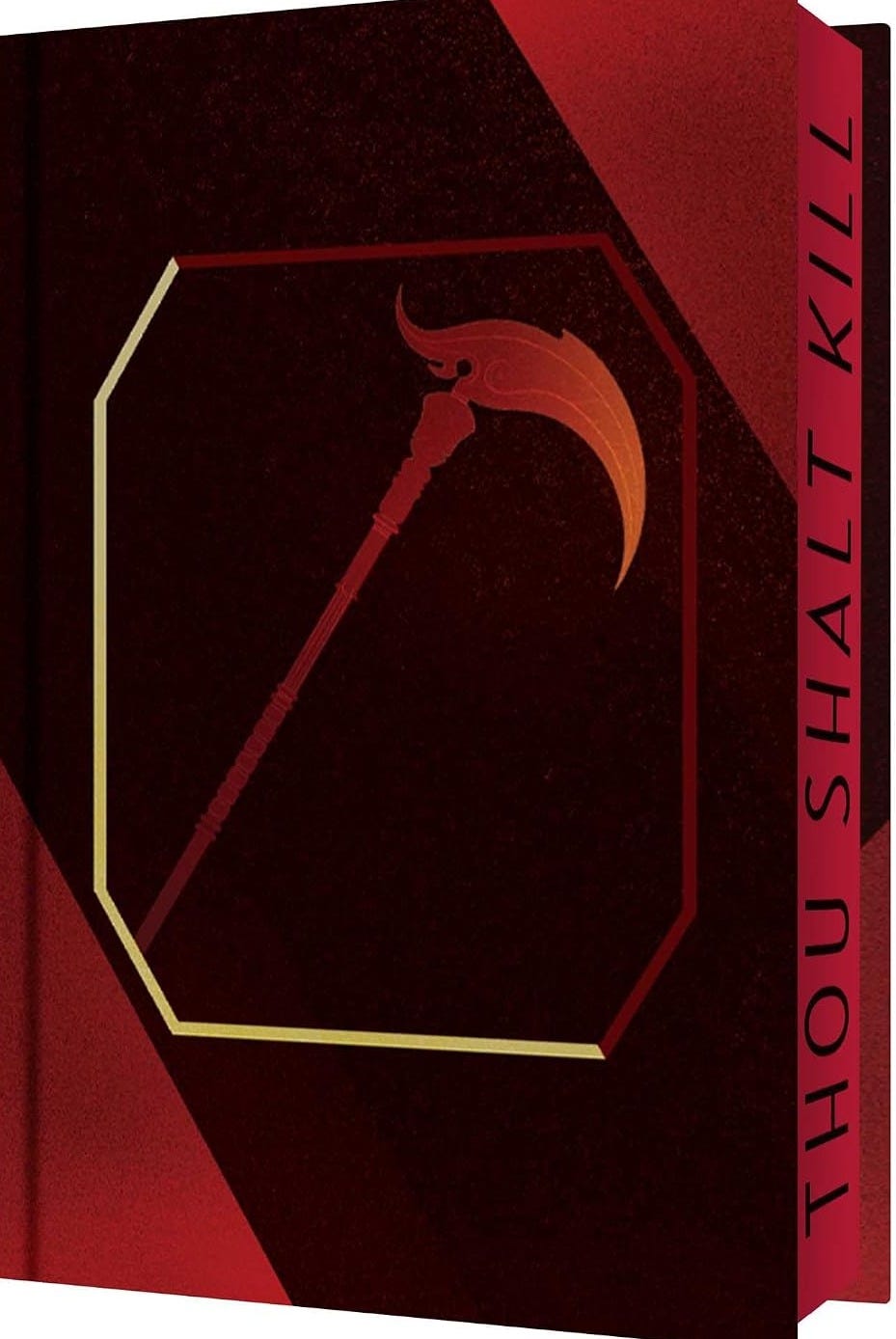
Imagine living in a society where you can essentially start your life over. People can reset their bodies to their twenties, or even their teenage years. Grandparents can look younger than their grandchildren. Families become complicated when people live long enough to marry multiple times and create entirely new branches of relatives.
At first, that sounds almost wonderful.
Who wouldn’t want another chance at life?
But then you start noticing the cracks.
One of Rowan’s friends gets his thrills by jumping off cliffs. He has died—or come close to it—multiple times, only to be brought back and healed.
His parents can afford it.
And that’s where the story began to bother me.
This teenager isn’t simply chasing an adrenaline rush. His wealthy family barely pays attention to him, so he puts himself in danger knowing they’ll have to spend money putting him back together.
Think about that for a moment.
Death has become so meaningless to some people that nearly dying is a way to get noticed.
And money makes it possible.
Meanwhile, the scythes walk among everyone.
They’re the grim reapers of this society, with the authority to permanently end a life in a world where death has otherwise been conquered. They must do this because the world can only hold so many people; even though they tried, there is no other planet or place to go besides Earth.
When a scythe enters a room, people are terrified.
Suddenly, all those second chances don’t matter.
Someone else holds the power to decide whether you get another one.
And I’m left wondering what kind of society gives that much power to a select few.
When suffering becomes a spectator sport
That question brought me back to Stephen King’s The Long Walk.
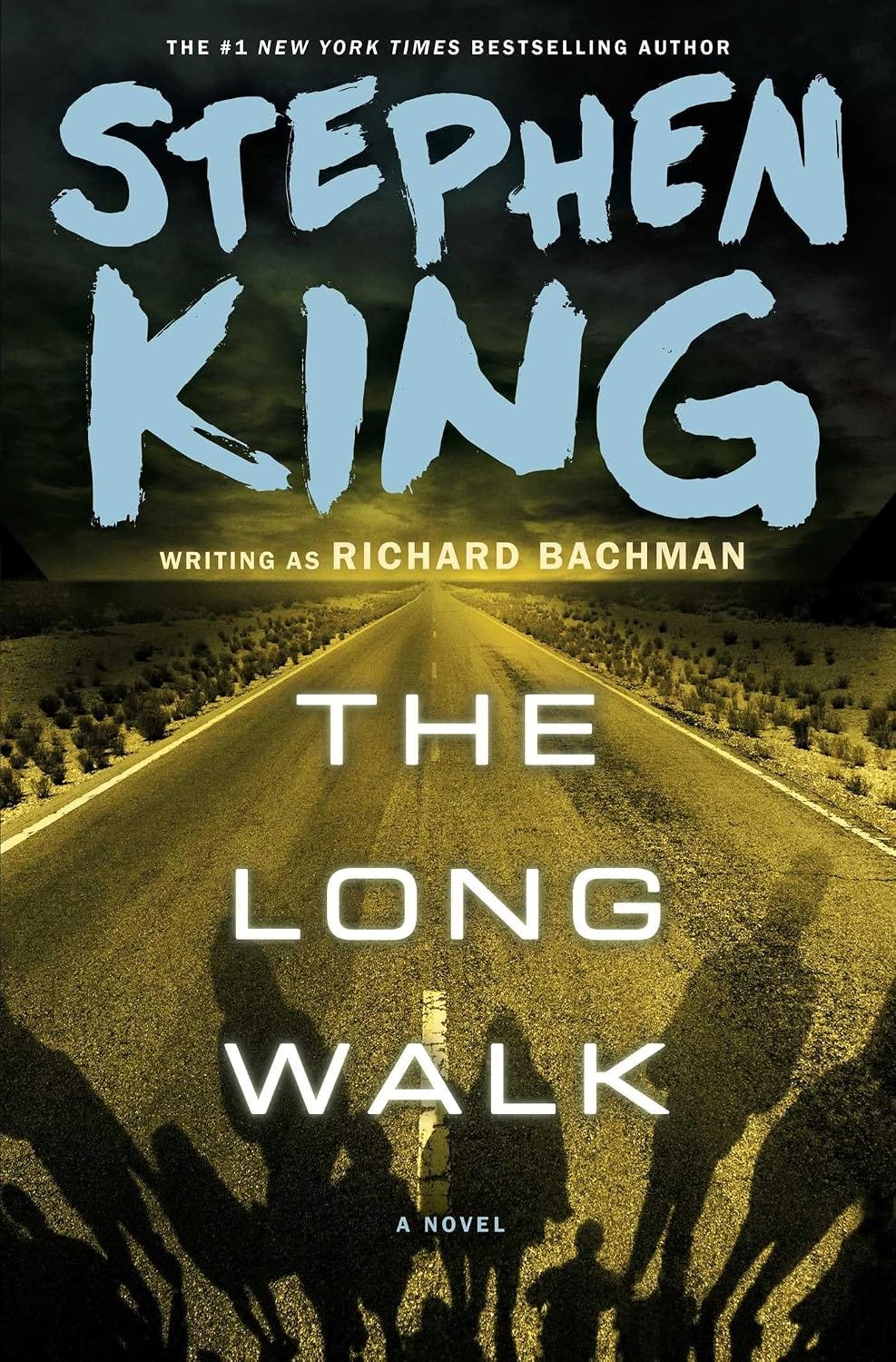
The premise has always disturbed me.
Young men compete in a brutal walking contest where falling behind means death. The prize offers the possibility of escaping circumstances that make such a terrible gamble seem worthwhile.
And the rest of society watches.
Some from the comfort of their homes. Others from the sidelines.
Young lives become entertainment.
It reminds me of The Hunger Games, where the suffering of children becomes a public spectacle while those with wealth and power remain safely removed from the consequences.
What bothers me most about these stories isn’t simply the violence.
It’s how ordinary everything becomes.
People accept the rules. They watch. They cheer. They go about their lives.
And somewhere along the way, the unthinkable becomes normal.
Back to those election ads...
Now, I’m not suggesting we’re living in one of these dystopian worlds.
But I do wonder about the role fear plays in getting us to accept things we might otherwise question.
We’re told to fear the other party. Fear losing what we have. Fear what might happen to our families, our freedoms, or our futures.
And fear is powerful.
It can make us cling to people who promise to protect us. It can make us suspicious of our neighbors. It can convince us that almost anything is acceptable if it keeps us safe.
As a writer, that fascinates and frightens me.
How far could a society go if its citizens became so afraid that they willingly handed over their choices to someone promising to save them?
That’s the kind of question that makes me want to write a dystopian novel—or perhaps a political thriller.
Not because I have the answers.
But because fiction gives us a place to explore what happens when ordinary people stop asking questions.
And sometimes those stories are more frightening than anything in the news.
A beautiful book with an unsettling story
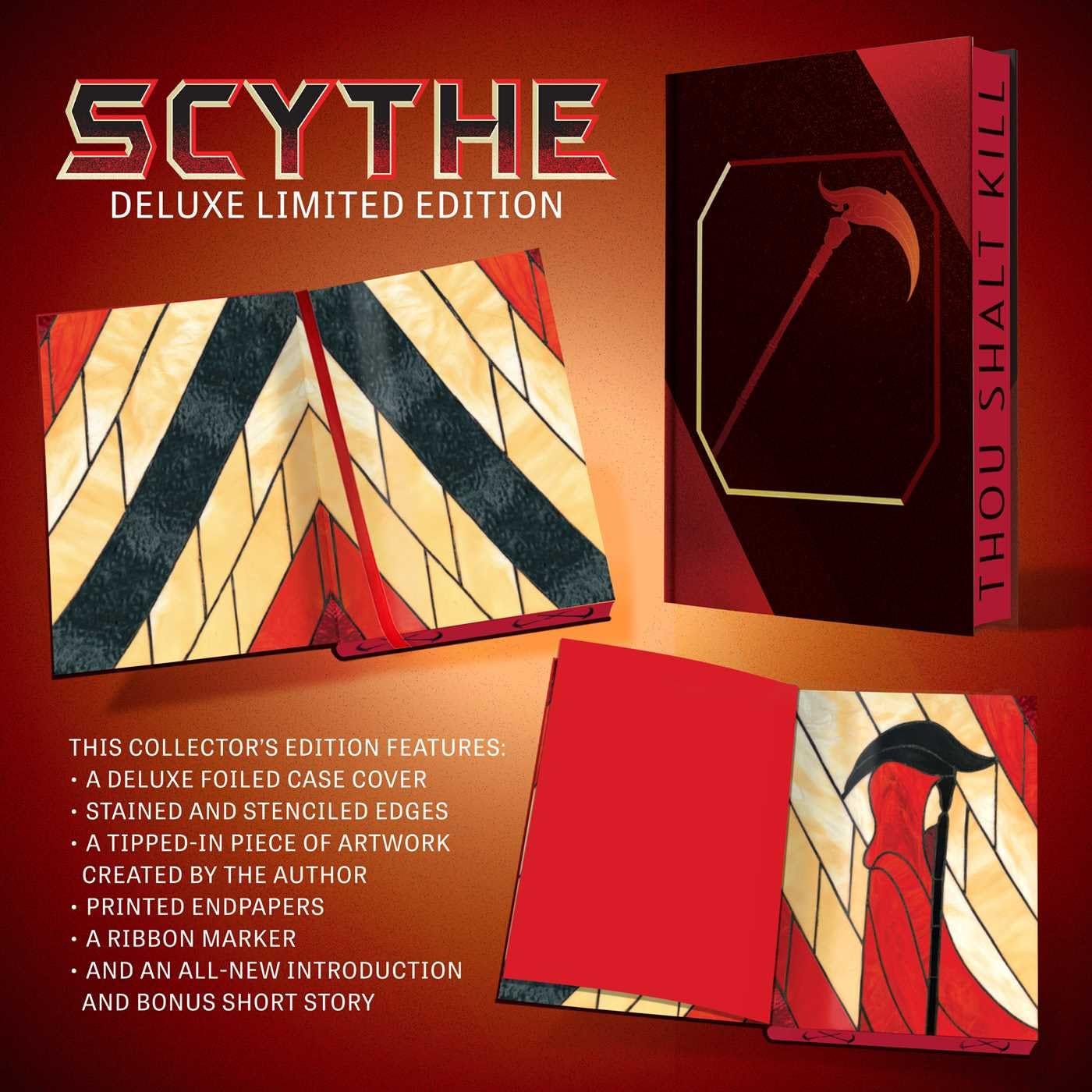
On a much happier bookish note, I recently received a gorgeous collectible hardcover edition of Scythe from Simon & Schuster.
Sidenote: Neal Shusterman is also an artist, and the glass-panel interior features his artwork.
There’s something special about holding a beautifully produced hardcover, especially one you’re excited to add to your shelves.
And there’s a certain irony in admiring such a lovely edition while reading a story that’s making me question mortality, privilege, and the people we trust with power.
I’m only at the beginning, so I have plenty left to discover. But Shusterman has already given me a lot to think about.
And I suspect things are going to get considerably darker.
Your turn
Have you ever read a dystopian novel that made you look at the real world a little differently?
Maybe it was The Hunger Games, The Long Walk, Scythe, or something else entirely.
Hit reply and tell me which book made you stop and think, “Could something like this actually happen?”
I’d love to hear what stayed with you.
Until next time, keep reading bravely and questioning everything.
Kim Bartosch
P.S. If you’ve read Scythe, please don’t spoil it for me! I’m only a couple of chapters in, and I’m already suspicious of just about everything.